
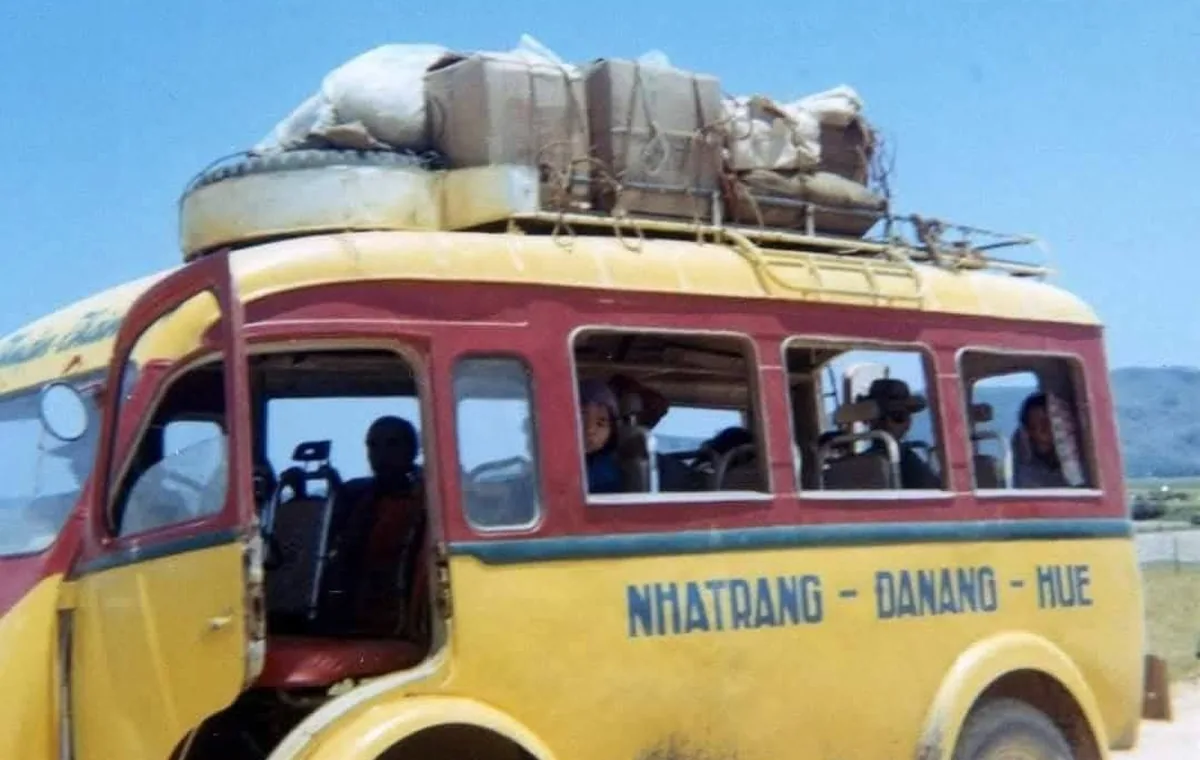
Xe đò: the story of Vietnam's old intercity buses
For many people in Central Vietnam, a ride on the intercity bus — the xe đò — was never just a journey; it was part of life and childhood. Some remember the price of a ticket, others the endless green rice fields along the national highway. Here is the story of what xe đò means, where the name came from and which bus stations old Nha Trang still remembers.
What is a xe đò?
Xe đò is the name used in Central and Southern Vietnam for a long-distance bus. The word joins xe (a wheeled vehicle) and đò (a ferry boat). For grown-ups the word brings back endless work trips, heat, the smell of fuel and packed cabins; for children, every ride was a real adventure.
Where the name comes from
According to the well-known Vietnamese writer Sơn Nam, a chronicler of the Mekong Delta, boats were once the main means of transport in the south. In the 1930s the French opened the first bus routes, but after the ride passengers still had to switch to a ferry or boat to reach their destination.
That is how the name xe đò appeared — literally the bus to the ferry crossing. The name stuck and stayed, even after bridges replaced the ferries.
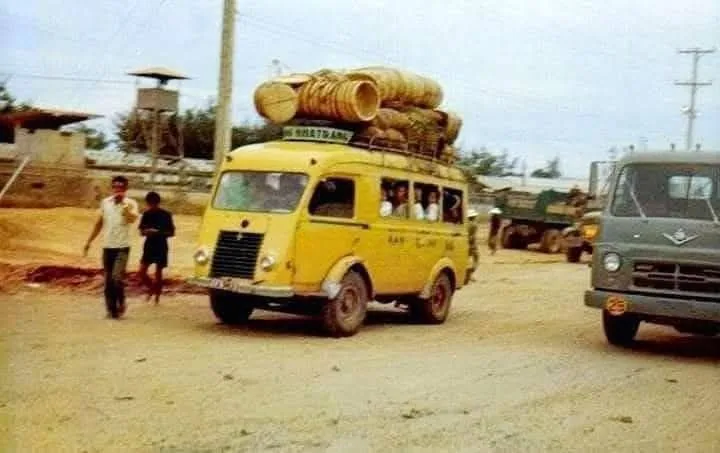
Xe khách, xe ca and xe đò
Different regions call the bus by different names. In the north of Vietnam it is xe khách or xe ca, while in Central Vietnam, as in the south, the name xe đò survived. By one account this is because most of the bus companies on the central routes were founded by entrepreneurs from Saigon.
What an old xe đò looked like
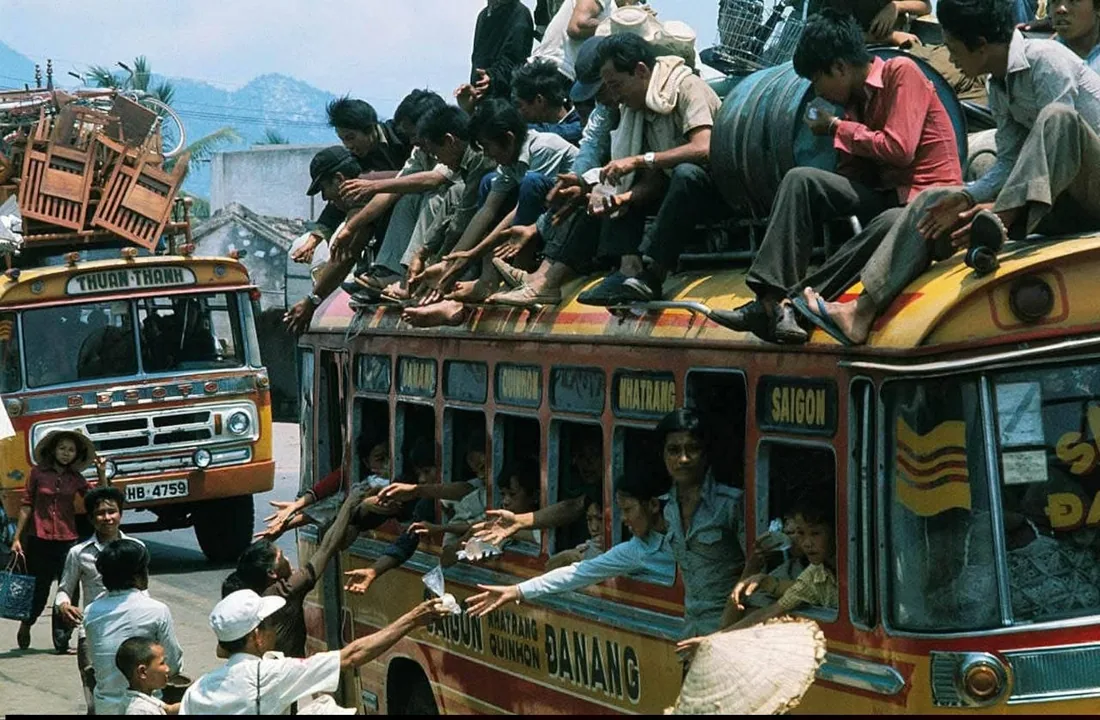
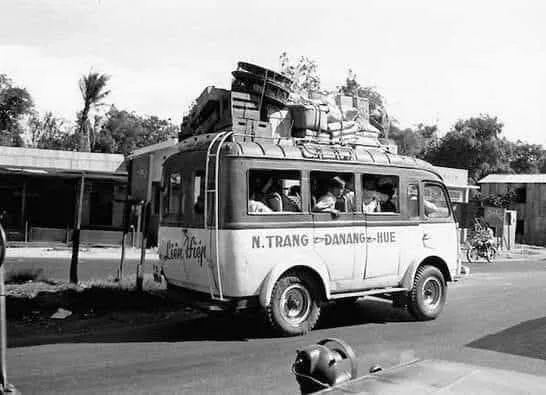
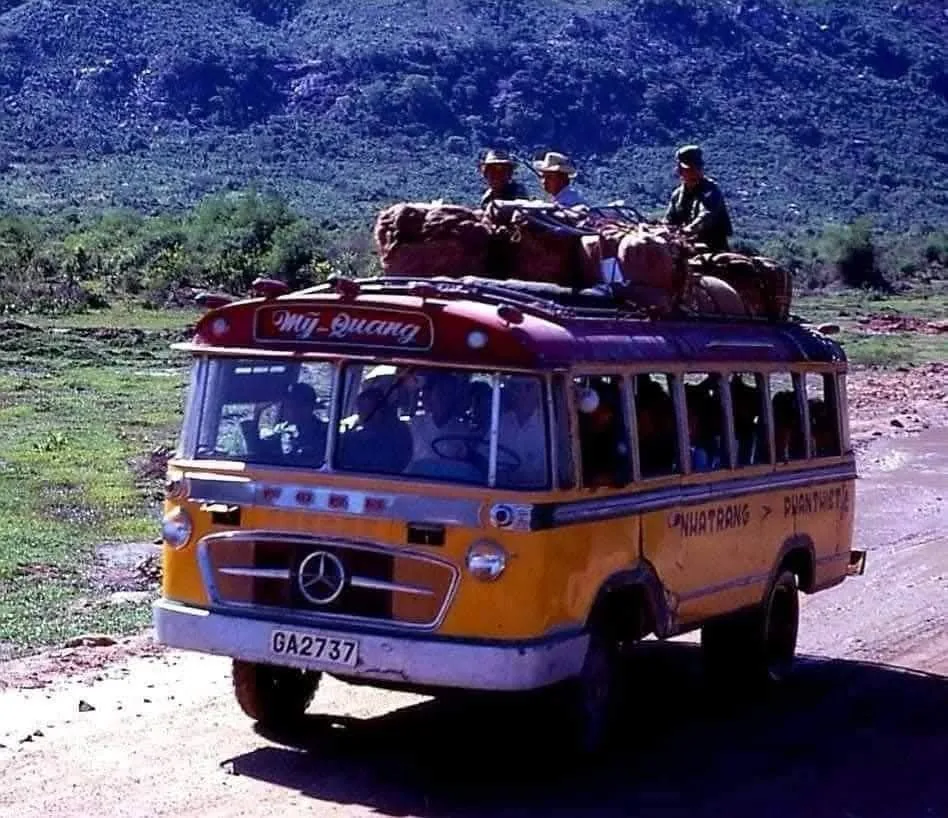
You could spot an old bus by its roof: it was loaded to the top with sacks, baskets, bicycles and anything that would not fit inside. Bright bodies — red, yellow, blue — faded in the sun, while the cabin was packed with people, children and goods. It was less a vehicle than a little world on wheels.
A ride as an adventure
For adults the xe đò means stuffy air, the smell of petrol and the noisy bus stations of the past. For children, every trip was an event: food vendors at the windows, stops along the highway, endless rice fields behind the glass. Many Vietnamese remember these rides fondly.
Along National Highway 1
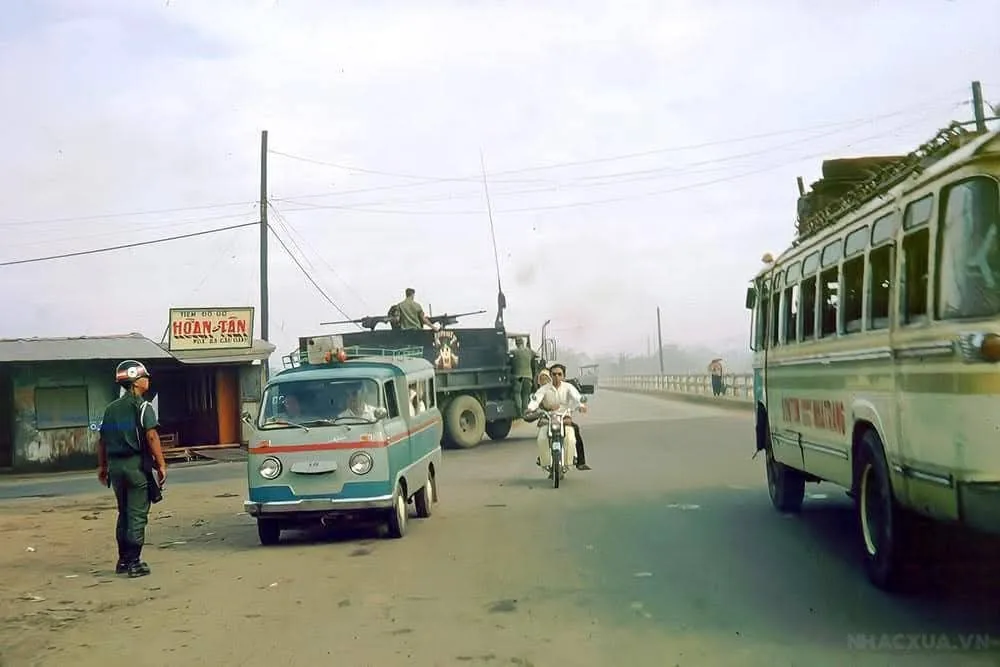
The main xe đò routes ran along National Highway 1 (Quốc lộ 1), the road that stretches the length of Vietnam from north to south. Green rice fields, villages, markets and bridges slid past the window. This road connected towns and people long before express buses and trains.
Old Nha Trang's two bus stations
Older residents of Nha Trang remember the city's two main bus stations well — Bến xe Sài Gòn on Nguyễn Hoàng Street and Bến xe Ninh Hòa at the junction of Highway 1 and Sinh Trung Street. Thousands of journeys began here, leaving warm memories for several generations.
Who ran the buses
Many of the bus companies working the central routes were founded by entrepreneurs from Saigon — which is why the southern name xe đò took hold in Central Vietnam. Drivers and conductors knew their regulars by sight, and the station was a place of meetings, farewells and small trade.
What became of the xe đò today
Today the old wooden buses have given way to comfortable sleeper buses and air-conditioned limousine vans. But the name xe đò has stayed: it is still what people call intercity coaches. And retro photos of the old buses stir up nostalgia for a bygone era.
Why it's interesting for a visitor to Nha Trang
If you are holidaying in Nha Trang, the story of the xe đò is a way to see the city through local eyes: the same streets where the old stations stood, the same Highway 1 outside the bus window. And old photos of the buses are a perfect excuse to ask your Vietnamese friends about their childhood.
And if you'd like to bring a warm gesture to Vietnamese friends or loved ones, we'll deliver a fresh bouquet or helium balloons to a hotel, villa or office across Nha Trang and northern Cam Ranh from the next day. Message us on WhatsApp, Telegram or KakaoTalk. Based on material from the community Người Nha Trang xưa & nay.