Chua Thay Pagoda: the cradle of the water puppet legend
An ancient pagoda reflected in a lake, with a floating stage-pavilion in its middle: this is Chua Thay near Hanoi — the place linked with the birth of Vietnamese water puppet theatre. Here is the pagoda's story, the legend of master Tu Dao Hanh and where this remarkable art really came from.
What Chua Thay Pagoda is
Chua Thay, 'The Master's Pagoda', is one of Vietnam's oldest Buddhist pagodas. Its other name is Thien Phuc Tu, 'Pagoda of Heavenly Blessing'. It is a quiet, atmospheric place at the foot of the hills, with a pond, a floating pavilion and staircases into the rocks — nothing like the busy city temples.
Where it is
The pagoda lies west of Hanoi, in Sai Son commune (Quoc Oai district). It is less than an hour from the capital, so Chua Thay is a popular day trip from Hanoi. Around it are limestone hills, caves and rice fields that give the place its charm.
The 11th century and master Tu Dao Hanh
The pagoda was built in the 11th century and dedicated to the Zen master Tu Dao Hanh, one of the most revered figures in the history of Vietnamese Buddhism. He was not only a monk but also a healer who gathered herbs for the people, and, by tradition, staged games and performances for the villagers.
The legend: cradle of water puppetry
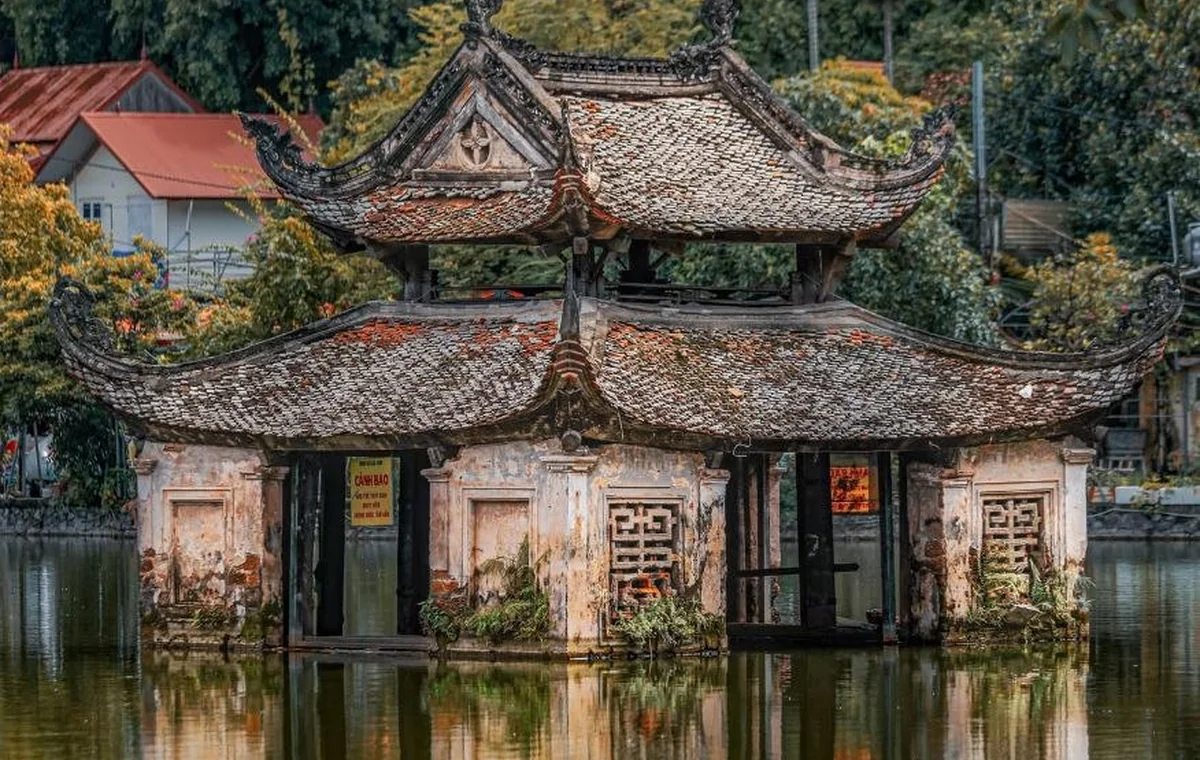
It is Tu Dao Hanh who is linked with the legend of the birth of water puppet theatre. He is said to have staged the first shows here, on Long Tri Lake ('Dragon Pond'), performing from the floating Thuy Dinh pavilion. Such shows were usually held after the harvest to entertain and delight the local farmers.
The floating Thuy Dinh pavilion
Thuy Dinh stands right in the middle of Long Tri Lake — an elegant pavilion with a two-tier tiled roof and curved corners, reflected in the water. It is the stage itself: the puppeteers hide behind it, waist-deep in water, while the puppets 'come out' onto the water's surface. Shows are still held here on holidays.
What water puppet theatre is
Water puppet theatre (mua roi nuoc) is a unique Vietnamese art found nowhere else in the world. Painted wooden puppets glide and dance right on the surface of the water, while puppeteers work them from behind a screen with long underwater poles — all to live music, singing and drums.
Where the art really came from
Most historians believe water puppet theatre was born in the villages of the Red River Delta, where flooded rice paddies naturally became a stage. So Tu Dao Hanh was probably not its sole creator — but he played an important role in developing and popularising an already existing tradition.
The puppets: Teu and other characters
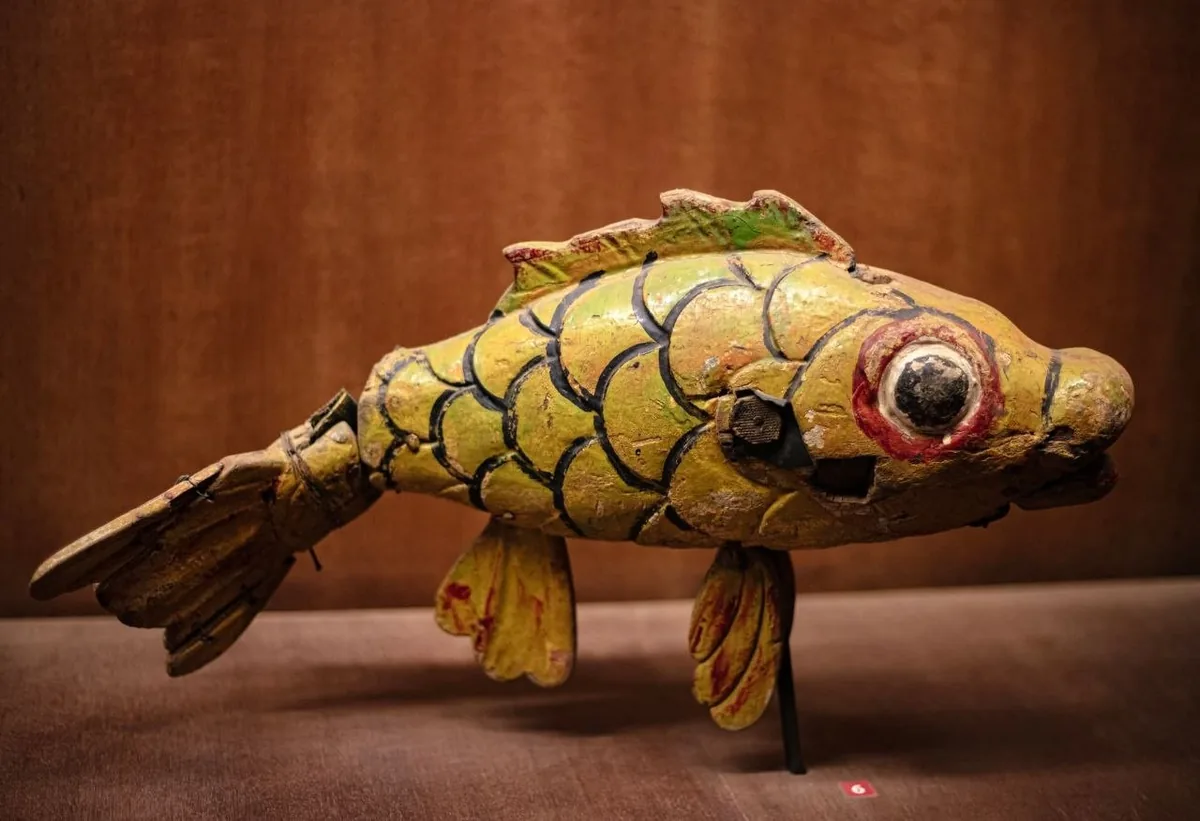
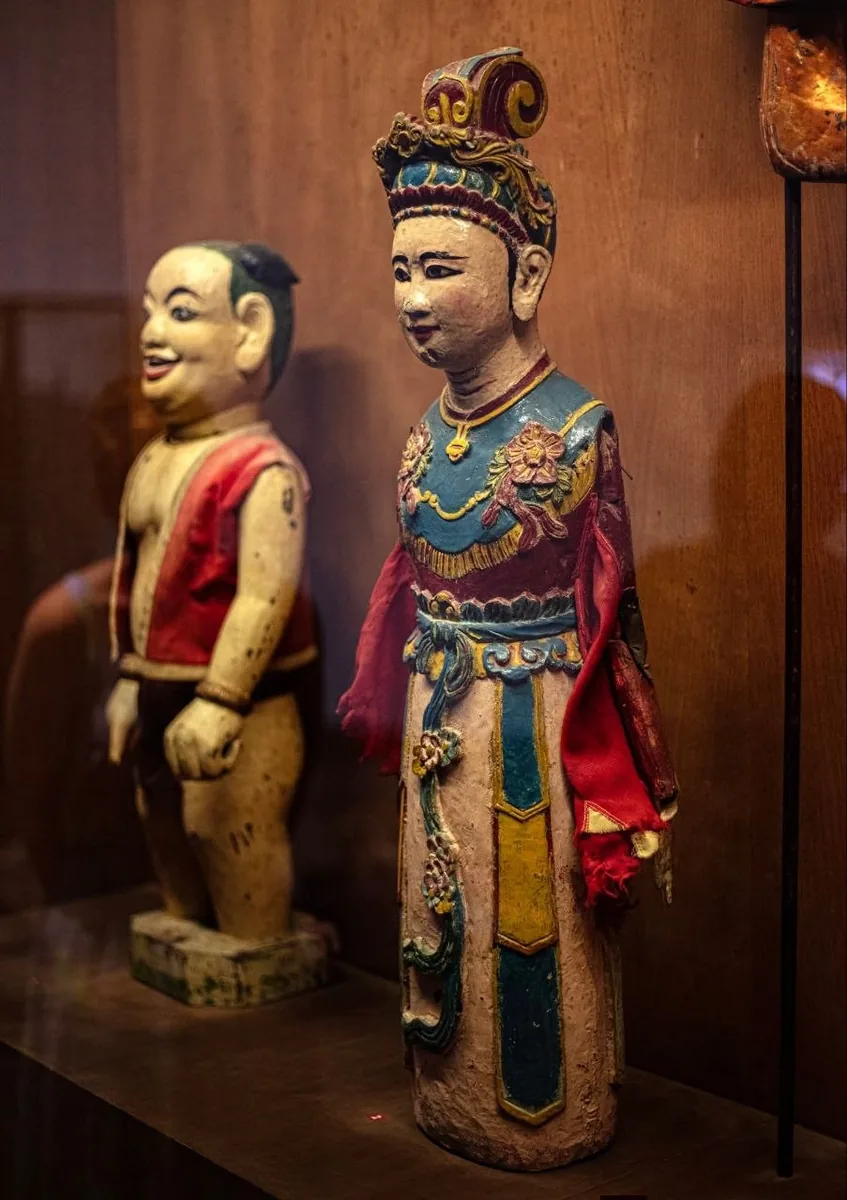
The theatre's main character is Teu (Chu Teu), a cheerful, round-faced host who opens the show and jokes with the audience. Around him are farmers, fairies, dragons, buffaloes and, of course, fish. The old wooden puppets in the photos are kept at the Vietnam Museum of Ethnology in Hanoi.
Stories and atmosphere
The scenes are about everyday delta life: ploughing with a buffalo, catching fish and frogs, festivals, dances of phoenixes and dragons, the legend of the returned sword. Water, splashes, music and laughter create a warm, almost family atmosphere — an art that grew straight out of peasant life.
Worth a stop for a Nha Trang visitor?
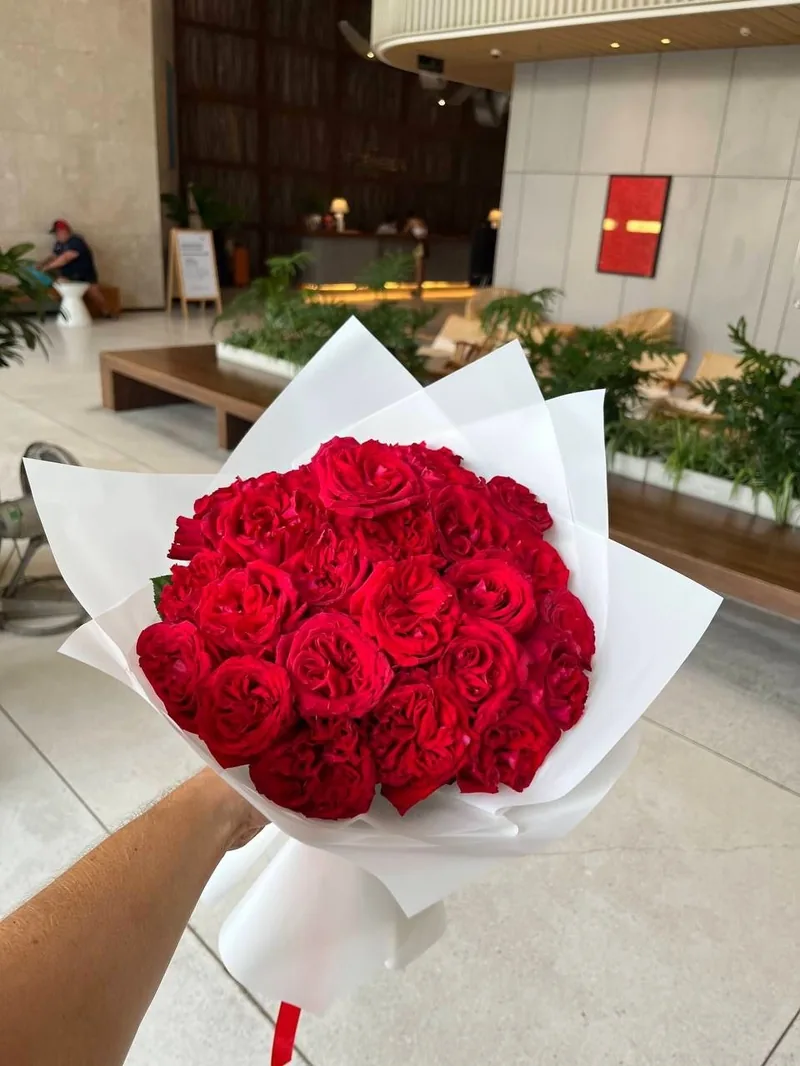
Chua Thay is in the north, near Hanoi — a very different Vietnam from coastal Nha Trang. The journey is long, but if you are planning a trip to Hanoi, the pagoda and its floating stage are a beautiful and 'real' stop. And back in Nha Trang, it's nice to mark the trip with a beautiful bouquet.
We'll bring a fresh bouquet or helium balloons to a hotel, villa or office across Nha Trang and northern Cam Ranh the same day — a nice touch to your travel memories. Message us on WhatsApp, Telegram or KakaoTalk. Based on open sources (photos Collected).