What Vietnamese Believe
Vietnam is a country where most people formally call themselves non-religious — yet almost every home has an ancestor altar and the year follows the lunar calendar. Faith here is less about church and more about a way of life: respect for ancestors, elders and family. Here is what Vietnamese really believe and how it works.
A country with no single state religion
Official figures look like this: Buddhists about 13.3%, Christians 7.6% (Catholics 6.6%, Protestants 1%), Hoa Hao followers 1.4%, Cao Dai about 1%. The largest "group", 76.5%, is folk belief and the formally non-religious.
Almost half of Vietnamese (about 48%) say religion is "not very" or "not at all" important to them. But that does not mean they don't believe — their faith simply lives outside church walls, in everyday life and family.
Ancestor worship — the main faith
Vietnam's true "national religion" is ancestor worship. About 86% of Vietnamese adults have performed rites for departed relatives in the past year.
Most homes have an altar (bàn thờ) with photos of ancestors, incense and offerings — fruit, flowers, food. On the death anniversary (giỗ) the family gathers, cooks a feast and "invites" the ancestors. Ancestors are believed to protect the living, and the living are bound to remember them — this is the core of Vietnamese spirituality.
The three teachings (Tam giáo)
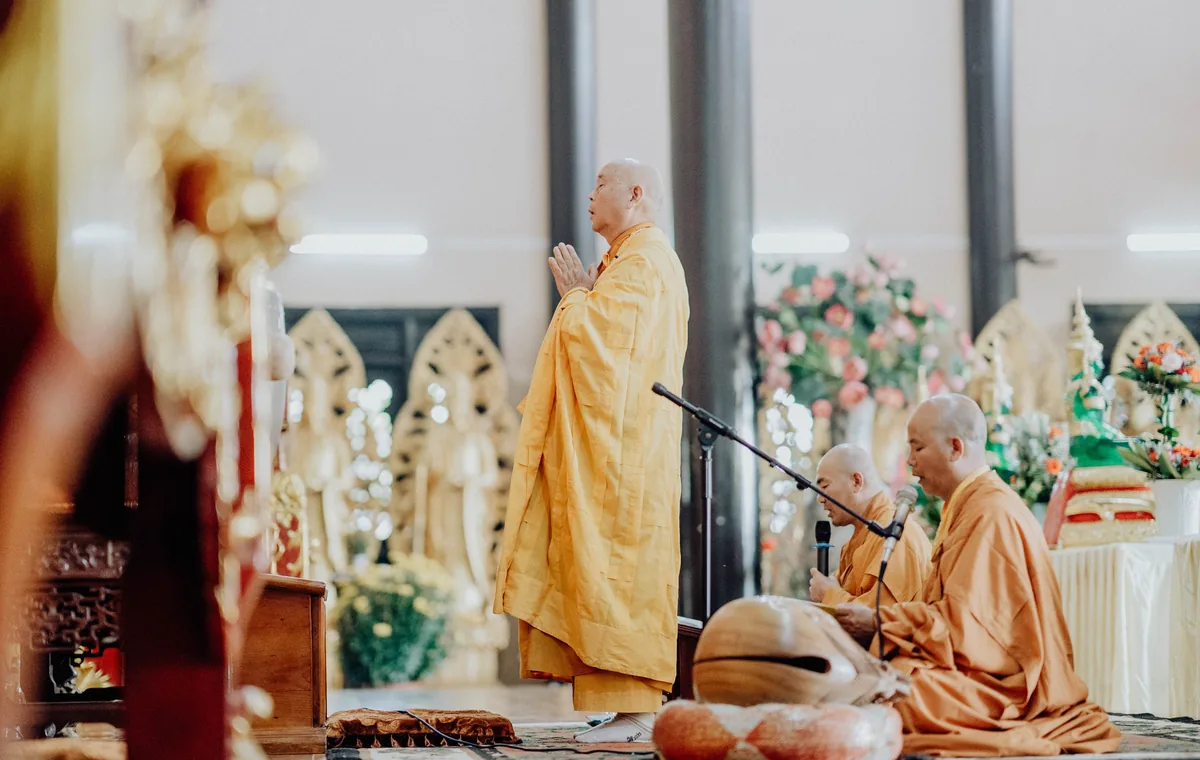
Vietnamese Buddhism rarely exists "in pure form". For centuries three teachings have intertwined here — Tam giáo: Mahayana Buddhism, Confucianism and Taoism.
In one temple you may find the Buddha, guardian spirits and ancestors at once. So a Vietnamese person may visit a pagoda (chùa) and light incense without considering themselves a "Buddhist" in the Western sense — for them it is culture, not membership in a religion.
Confucian values — the social frame
From Confucianism Vietnam took hierarchy and duty. The central value is filial piety (hiếu): to respect and care for parents and elders.
Hence the cult of education (study lifts the family), respect for teachers and the importance of the family's good name. These values are often stronger than any official religion and shape how people make decisions.
Family — the centre of everything
Family in Vietnam is not just parents and children but a large, multi-generational clan. Decisions are made with the family in mind, holidays are spent together, and the elderly are cared for at home.
Individualism is weaker here than the sense of "we" — family, community, country. You understand a Vietnamese person better through their duties to loved ones than through personal ambition.
Tet and the cycle of holidays
Life follows the lunar calendar. The main holiday is Tết, the lunar New Year: cleaning the house, new clothes, red envelopes of money (lì xì) and the mandatory remembrance of ancestors.
Before Tết, the Kitchen God (Ông Táo) is sent off to heaven. There is also a national "ancestors' day" honouring the Hùng Kings, the legendary founders of the country. In autumn comes the Mid-Autumn Festival (Tết Trung Thu) with lanterns and children.
"Face" and harmony
A key concept is "face" (thể diện): reputation and dignity that you must not lose yourself and must not publicly take from others.
Hence the softness in conflicts, the dislike of a direct "no", and the value of harmony and calm. For a visitor this is the key: Vietnamese value politeness, a smile and respect for their customs.
Their own, unique religions
Vietnam has given the world unique faiths too. Cao Đài is a syncretic religion from the south (centred in Tây Ninh) blending Buddhism, Christianity and Taoism. Hoa Hao is a Buddhist movement of the Mekong Delta.
And the worship of the Mother Goddess (Đạo Mẫu), with its vivid rituals and music, is on UNESCO's list of intangible cultural heritage.
What it means for a visitor — and where flowers fit
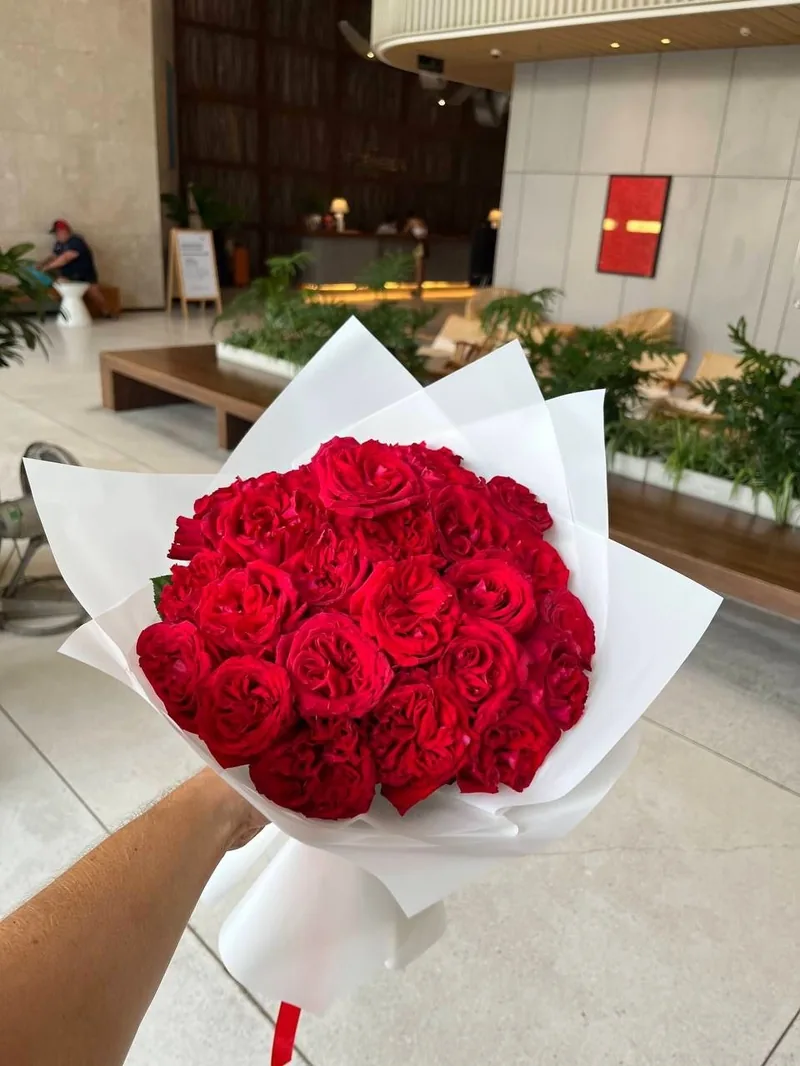
Understanding these traditions helps you avoid offence and pleasantly surprise. Flowers in Vietnam are part of respect: they are placed on altars and given for Tết, weddings, birthdays and memorial days.
If you are in Nha Trang and want to congratulate someone or mark an occasion in the local spirit, we will make a fresh bouquet or balloon set and deliver it the same day. Message us on WhatsApp, Telegram or KakaoTalk.