UNESCO World Heritage Sites in Vietnam: All 9 Wonders
Vietnam is far more than the beaches of Nha Trang and great street food. Hidden across its compact map are nine UNESCO World Heritage Sites: ancient towns, imperial palaces, giant caves and bays full of limestone islands. This guide rounds up all nine — with the year each was listed, what makes it special and how to get there — and at the end, how to pair a culture trip with beach time and a nice hotel surprise.
How many UNESCO sites are there in Vietnam
As of 2026 Vietnam has nine UNESCO World Heritage Sites: six cultural, two natural and one mixed. The newest joined the list very recently:
- 🏯 Complex of Hue Monuments — cultural, since 1993.
- 🌊 Ha Long Bay & Cat Ba Archipelago — natural, since 1994 (extended 2000 and 2023).
- 🏮 Hoi An Ancient Town — cultural, since 1999.
- 🛕 My Son Sanctuary — cultural, since 1999.
- 🕳️ Phong Nha-Ke Bang National Park — natural, since 2003.
- 🏰 Imperial Citadel of Thang Long (Hanoi) — cultural, since 2010.
- 🧱 Citadel of the Ho Dynasty — cultural, since 2011.
- ⛰️ Trang An Landscape Complex — mixed, since 2014.
- 🛕 Yen Tu–Vinh Nghiem–Con Son, Kiep Bac Complex — cultural, since 2025.
Below is each one in more detail, starting with those easiest to combine with a beach holiday.
Ha Long Bay and Cat Ba Archipelago
Vietnam's most recognisable postcard: thousands of limestone pillars rising from emerald water. Ha Long was inscribed by UNESCO in 1994 for its geology and again in 2000 for biodiversity, and in 2023 the neighbouring Cat Ba Archipelago was officially added.
The classic way to see it is an overnight junk cruise — kayaking between karsts, floating villages, caves and sunset over the water. The bay is in the north; most visitors come from Hanoi (about 2.5 hours by road).
Phong Nha-Ke Bang: a kingdom of caves
This national park in Quang Binh province is a vast karst zone holding some of the largest caves on Earth. A UNESCO site since 2003, with its boundaries extended in 2015.
- 🕳️ Son Doong — the world's largest cave, with its own jungle and clouds inside.
- 🚣 Phong Nha and Paradise Cave — accessible caves with lighting and boats.
- 🌿 Underground rivers, galleries and rainforest all around.
It's for travellers who love active nature; the nearest major town is Dong Hoi.
Hoi An Ancient Town
Hoi An is a former trading port of the 15th–19th centuries that miraculously kept whole streets of old houses, a Japanese covered bridge, Chinese temples and assembly halls. On the UNESCO list since 1999.
At night thousands of silk lanterns turn it into one of the most romantic corners of Asia. Hoi An is in central Vietnam, an hour from Da Nang airport, and pairs easily with My Son and Hue.
My Son Sanctuary — the legacy of Champa
My Son is a complex of brick Hindu temples built between the 4th and 14th centuries by the kings of the ancient Champa kingdom — a Vietnamese 'little Angkor' set in the jungle, a UNESCO site since 1999.
The towers are dedicated to Shiva and astonish with fine brickwork laid almost without mortar. It's an easy half-day from Hoi An or Da Nang.
Complex of Hue Monuments
Hue was the capital of the Nguyen Dynasty, Vietnam's last imperial line, and the country's first UNESCO site (1993): a walled Forbidden Purple City, palaces, temples and grand royal tombs along the Perfume River.
The city breathes history and ceremony; reach it from Da Nang over the scenic Hai Van Pass (2–3 hours) or by direct train.
Trang An — the only mixed site
The Trang An Landscape Complex near Ninh Binh is Vietnam's only mixed-type site, combining natural and cultural value, listed since 2014. Limestone mountains, winding rivers, caves and ancient temples form a scene often called 'Ha Long Bay on land'.
The highlight is a rowing-boat trip through flooded grottoes. Nearby are the ancient capital of Hoa Lu and 'Kong: Skull Island' filming spots; about 2 hours from Hanoi.
Northern heritage: Thang Long, the Ho Citadel and new Yen Tu
Three cultural sites are worth knowing if you head north:
- 🏰 Imperial Citadel of Thang Long in central Hanoi (since 2010) — a thousand-year seat of power of Vietnamese dynasties.
- 🧱 Citadel of the Ho Dynasty in Thanh Hoa province (since 2011) — a unique stone fortress from around 1400.
- 🛕 Yen Tu–Vinh Nghiem–Con Son, Kiep Bac Complex (since July 2025) — the cradle of Vietnam's Truc Lam Zen Buddhism, the country's ninth and newest site.
Yen Tu is a special case: it is Vietnam's first inter-provincial site (Quang Ninh, Bac Ninh, Hai Phong), and its nomination won 100% support from UNESCO committee members.
How to combine UNESCO sites with a Nha Trang holiday
Nha Trang itself has no UNESCO site — it's loved for the sea, islands and comfortable hotels. But it works perfectly as a base: a direct flight to Da Nang unlocks Hoi An + My Son + Hue in a couple of days, while via Hanoi you can easily reach Ha Long, Trang An and the northern complexes.
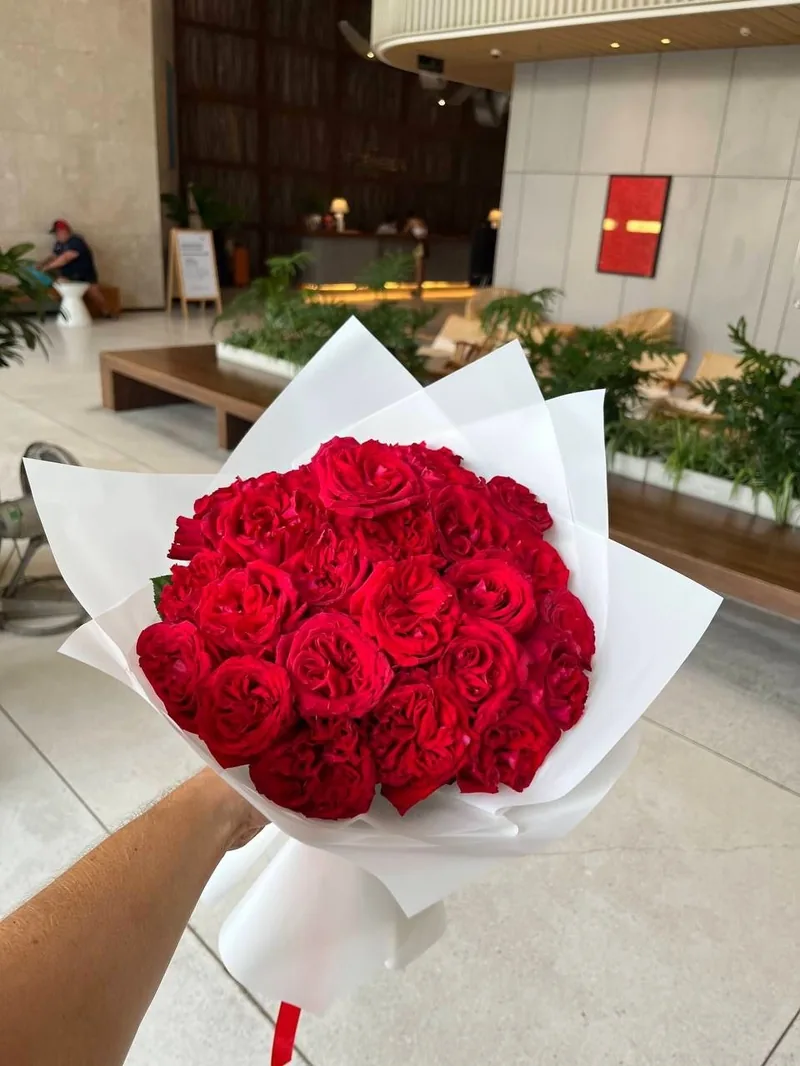
Many come here mainly to relax, and UNESCO sites add meaning and emotion to the trip. If a special day falls during the holiday — an anniversary, a birthday or just a sweet surprise — we deliver fresh bouquets and helium balloons straight to your hotel across Nha Trang and Cam Ranh, same day. Message us on WhatsApp, Telegram or KakaoTalk — we help in Russian, English and Korean.