
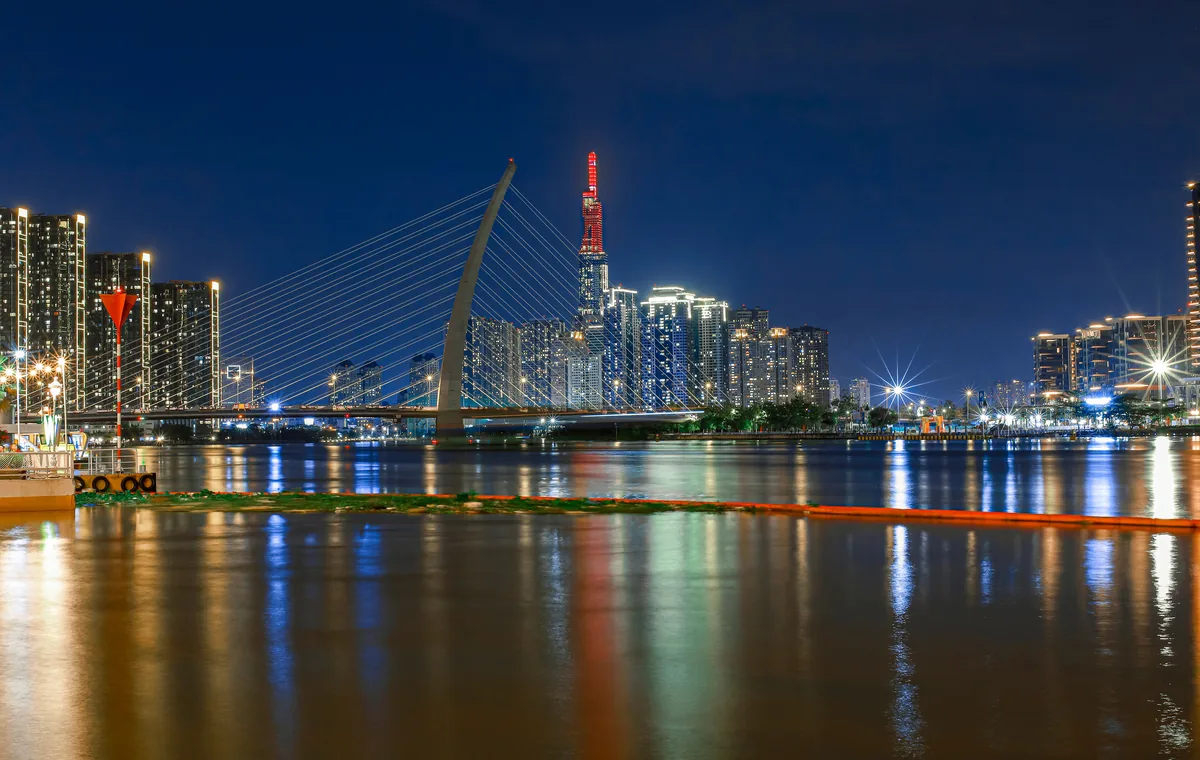
How Vietnam Has Changed in the Last 15 Years
In 15 years Vietnam has changed beyond recognition. Where there were recently rice fields and quiet towns, there are now skyscrapers, expressways, metros and fast internet. For a visitor it means one thing: the country is both brighter and more convenient. Here is a friendly look at what changed from 2010 to 2025 — and why now is a great time to come.
An economic leap
The biggest change in Vietnam over 15 years is money in people's pockets. Income per capita rose from about $1,300 in 2010 to around $4,500 in 2024 — almost three and a half times. Vietnam has firmly become a middle-income country.
Poverty has nearly vanished: in 2010 about one in seven people (around 14%) lived below the poverty line; by the end of 2025 it was only about 1%. The economy grew roughly 8% in 2025 — one of the fastest rates in the world.
From a «world factory» to a tech hub
Vietnam became one of the planet's main factories. Major corporations moved production here: Samsung alone has invested about $24 billion, runs six plants and accounts for nearly 90% of the country's phone exports.
A large share of the world's smartphones is now assembled in Vietnam. The next step is the shift from simple assembly to design — R&D centres are opening and a local engineering base is growing.
A tourism boom
Visitor numbers have multiplied. A decade ago about 4 million foreigners came each year; now it is more than 15 million. In 2024 tourism brought in around $33 billion — a record, about 6.6% of GDP and some 6 million jobs.
Most visitors come from South Korea, China and the United States — together almost half of all arrivals. Vietnam has gone from a niche for the few to a mainstream, easy destination.
The holiday itself has changed too: instead of a couple of beaches there are diving, islands, cable cars, theme parks, food tours and spas. Vietnam has learned to host guests of every taste and budget.
Life moved into the smartphone
Digital life has transformed daily routines. In 2010 fewer than half of Vietnamese used the internet (about 45%); today around 84% have smartphones — above the world average — and mobile internet exceeds 90 connections per 100 people.
Commercial 5G launched in October 2024. Paying by QR code, ordering food and goods through apps, booking a taxi or flowers online — all of this is now ordinary, even in smaller towns.
Cities and infrastructure
Things appeared that simply did not exist 15 years ago. In 2021 the first metro opened in Hanoi, and in 2023 Ho Chi Minh City's metro began running. Expressways, new bridges, airports and terminals are being built.
Cities have grown up and out: skyscrapers, modern residential districts, shopping malls. Roads are better, and travelling between regions is noticeably faster.
A new lifestyle and middle class
A whole middle-income generation has grown up. Cars are gradually replacing the total dominance of motorbikes, and malls, coffee-shop chains, gyms and delivery services are everywhere.
Habits have changed too: Vietnamese travel more within their own country, order online, follow trends on social media and increasingly choose quality and service, not only low prices.
The fruits of Doi Moi reform
The root of these changes is «Doi Moi», the reforms launched back in 1986 that opened the market and private business. Over 15 years they reached full effect: WTO membership, dozens of trade deals, a wave of foreign investment.
Stable politics and predictable rules made the country attractive to factories, tourists and people moving here to live and work.
Nha Trang: from a quiet town to a world-class resort
The changes are clearest in Nha Trang. In 2024 Cam Ranh airport handled about 4.3 million international passengers (+79% in a year), and Korean arrivals were up 170% on 2019.
The city is turning from a calm seaside town into a world-class resort and a «city to live in»: new hotels, promenades and restaurants. In 2025 Khanh Hoa and Ninh Thuan merged into one larger province centred on Nha Trang.
Modern resort districts, an island theme park, golf courses and dozens of new hotels have appeared — yet the city has kept its relaxed seaside character.
Getting here got easier: visas and flights
Vietnam has made entry much easier. Since 2023 there is a 90-day e-visa with multiple entry, and visa-free travel for visitors from a number of countries. You can apply online in a couple of minutes.
At the same time the number of direct flights has grown — from Korea, China, Kazakhstan, India and more. Getting to Nha Trang and other resorts is now faster and cheaper than 15 years ago.
What it means for a visitor today
For a traveller, Vietnam has become far more comfortable. Fast internet and connectivity, easy payments, developed services, good roads — and still affordable prices and a warm welcome.
The country remains safe and calm, with a huge choice of places to stay, eat and enjoy. Put simply, it is one of the best times ever to come for the first time or to return.
Holidays have changed along with the country: a bouquet or helium balloons are now easy to order from your phone and receive the same day. If you're in Nha Trang and want to make someone happy, we'll deliver a fresh bouquet the day you order — message us on WhatsApp, Telegram or KakaoTalk.