
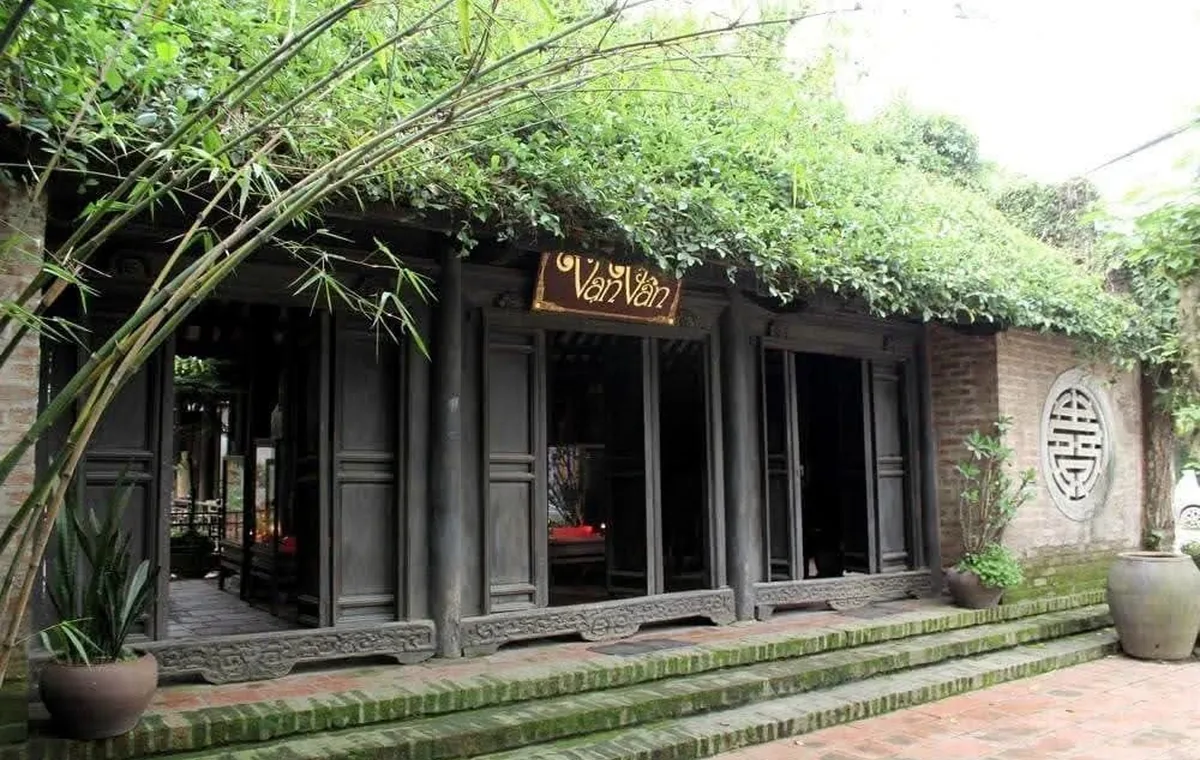
Bát Tràng: Vietnam's 700-year-old pottery village
Bát Tràng is one of Vietnam's most famous craft villages. It sits on the bank of the Red River not far from Hanoi, and for more than 700 years its people have made ceramics, passing the secrets of the craft from one generation to the next. Here is how Vietnamese porcelain is born, what to bring home — and how it all ties back to a bouquet of flowers.
Where Bát Tràng is
Bát Tràng sits on the left bank of the Red River, just 12 km from the centre of Hanoi, in Gia Lâm District. It is easy to reach, which is why the village has long been popular with Vietnamese and tourists alike. Its closeness to the river once shaped its fate: fine white clay — the key raw material for ceramics — lay along the banks.
700 years of history
The village's story began back in the 11th century, when a king of the Lý dynasty moved the capital to Thăng Long (today's Hanoi). Potters followed the court here from the village of Bồ Bát in Ninh Bình province, where the clay was running out while the Red River had it in abundance. And so Bát Tràng was born.
More than 700 years have passed since then, and the traditions of making ceramics are still kept and handed down from generation to generation — from father to son, from workshop to workshop.
Why the village became famous
By the 14th–15th centuries, under the Trần and Lê dynasties, Bát Tràng's fame had spread far beyond Vietnam. Its wares were bought for palaces and temples, and merchants from China, Japan and even Europe marvelled at the local porcelain. Bát Tràng ceramics became an important export for the country.
What is made here
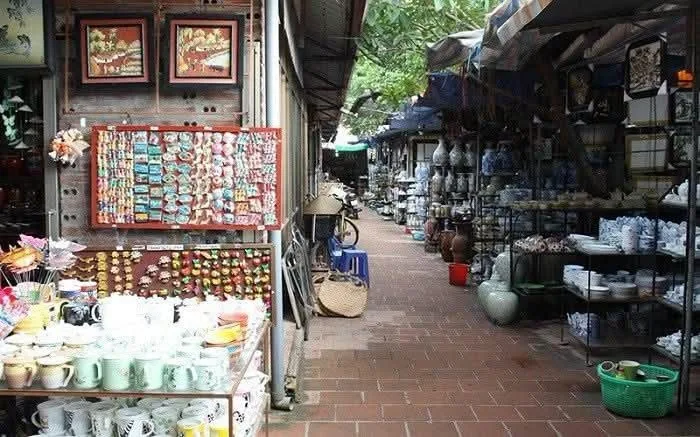
Today about 850 families live in Bát Tràng, and nearly all of them are connected to ceramics in some way. They make tea sets, decorative vases, tableware, statuettes and pieces for homes and temples. Walking through the village, you will see dozens of workshops and shops full of handmade goods.
A signature style: painting and glaze
Bát Tràng ceramics are easy to recognise: they are prized for their high quality, elegant hand-painting and distinctive glaze. Over the centuries the masters have refined the clay, the glaze recipes and the painting technique — so each piece comes out both sturdy and beautiful.
A walk through the village and the pottery market
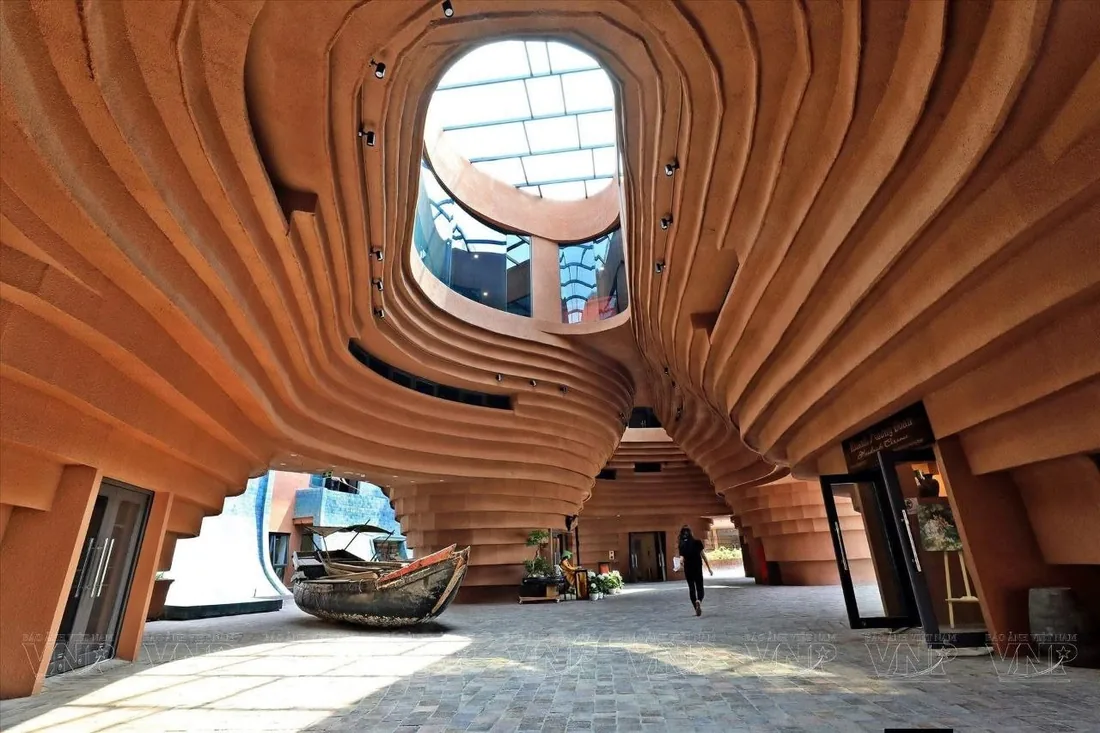
Wandering Bát Tràng is a pleasure in itself: narrow lanes, windows full of vases and tea sets, the smell of clay. In 2004 the village opened a pottery market (Chợ gốm), where locals trade and display their work — from everyday tableware to fine art and construction ceramics.
Make a vase with your own hands
One of the most popular things for visitors is to sit down at the potter's wheel. Guided by local masters, you can shape a cup or a vase and, once it is fired, take your work home as a keepsake. It is a simple, warm experience that both children and adults enjoy.
Old kilns and traditional houses
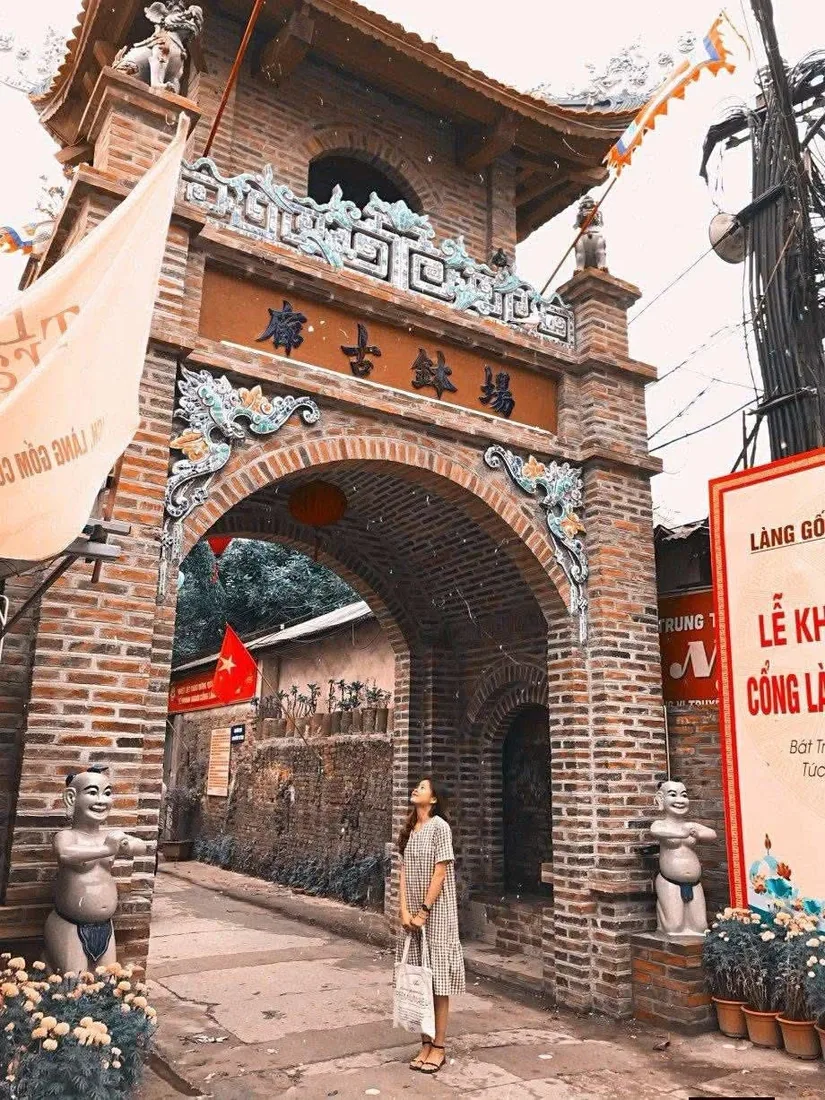
The village has kept its old firing kilns and traditional houses — through them you can feel the history of one of Vietnam's oldest craft centres. This is not a museum behind glass, but a living place where the craft continues every day.
What to bring home from Bát Tràng
Bát Tràng is a great place for souvenirs: tea cups, bowls, painted vases, plates and small statuettes. All of it is handmade and inexpensive. Such a gift is far more interesting than something from a shop — it carries seven centuries of history.

Bát Tràng ceramics and flowers
And ceramics and flowers get along beautifully: a vase from Bát Tràng is the perfect home for a fresh bouquet. A handmade vase plus live flowers turns an ordinary gift into a little work of art. If you are holidaying in Nha Trang, you can bring a vase back from a trip — and order the bouquet from us.
We'll bring a fresh bouquet or helium balloons to a hotel, villa or office across Nha Trang and northern Cam Ranh the same day — all you'll need to do is put the flowers in a beautiful vase. Message us on WhatsApp, Telegram or KakaoTalk. Based on material from the community Go To VietNam.